
الهاتف 0751-402-9131
البريد الالكتروني: info@jnpiraq.info
Address: Iraq-Erbil

English -Arabic
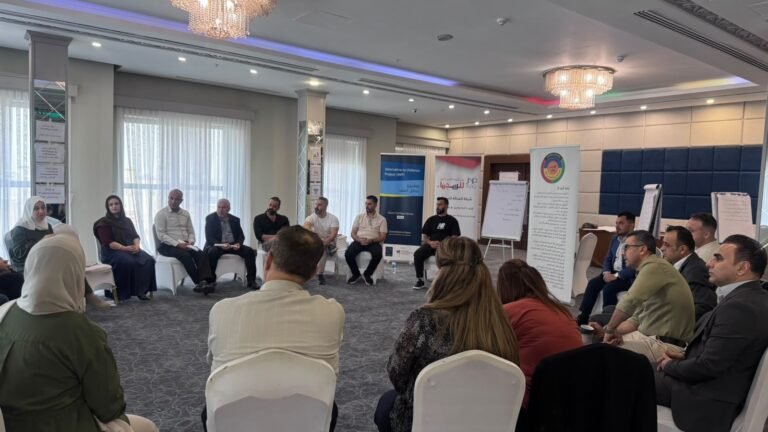
Within the framework of the activities of the Health Week campaign in the correctional facilities of Sulaymaniyah Governorate, supervised by the Justice Network for Prisoners (JNP) in Iraq, and funded by the Norwegian People’s Aid (NPA) through the Democracy and Human Rights Development Center (DHRD), the fourth day of the campaign, corresponding to August 12, 2026, witnessed the implementation of a set of health, rights-based, and legal activities in a number of correctional facilities in Sulaymaniyah Governorate.
The day’s activities focused on improving the health and living conditions of detainees, enhancing awareness of their rights, alongside supporting educational and cultural aspects within the correctional facilities.
First: Support for Sanitary and Cleaning Supplies
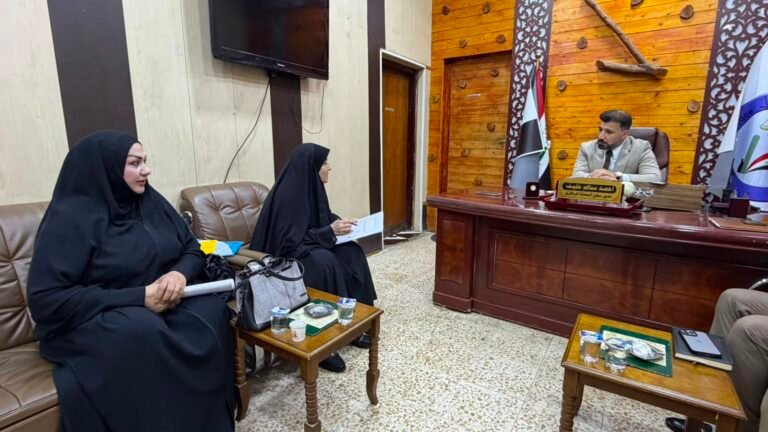
As part of supporting and improving the health environment within the Directorate of the Women’s and Juveniles’ Correctional Facility in Sulaymaniyah, the Democracy and Human Rights Development Center (DHRD) provided cleaning supplies and clothing, contributing to enhancing the level of hygiene and living conditions for the beneficiaries within the correctional facility.
Second: Seminar on the Health Rights of Prisoners
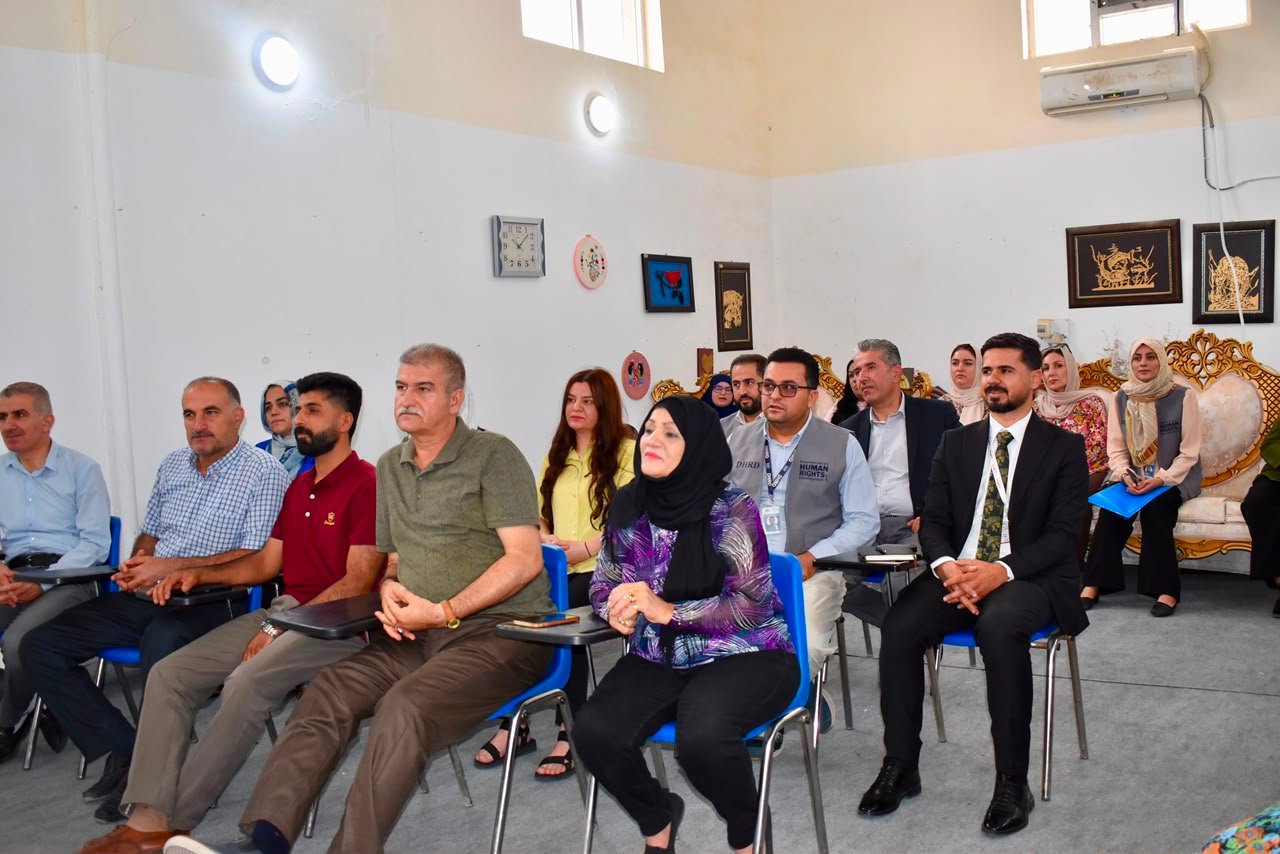
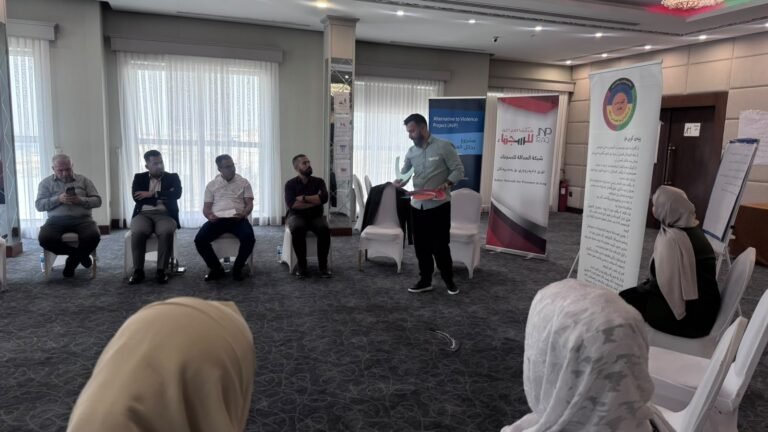
The Human Rights Office in Sulaymaniyah delivered an awareness seminar titled:
“The Health Rights of Prisoners According to International Human Rights Conventions”
The seminar addressed the importance of ensuring prisoners receive appropriate healthcare, introduced the health rights guaranteed by international standards and conventions, and emphasized the necessity of respecting the dignity of detainees and ensuring their access to health services without discrimination.
Third: Legal Seminar and Library Support
The Civil Society Development Organization (CDO) also conducted a legal seminar at the Directorate of the Adult Correctional Facility in Sulaymaniyah, covering a number of legal and rights-related topics relevant to detainees.
As part of supporting the educational and cultural aspect within the correctional facilities, the organization provided 21 books to the library of the Adult Correctional Facility, in addition to 20 books to the library of the Women’s and Juveniles’ Correctional Facility. This aimed to enhance detainees’ access to sources of knowledge and reading, and to encourage educational and cultural activities within the correctional facilities.
These activities come as part of joint efforts to promote health, dignity, and human rights within places of detention, by combining health support, rights-based and legal awareness, and cultural activities, contributing to improving the correctional and rehabilitation environment.
 Arabic
  English