
Phone: 0751-402-9131
Email: info@jnpiraq.info
Address: Iraq-Erbil

English /Arabic
Media Department of the Justice Network for Prisoners’
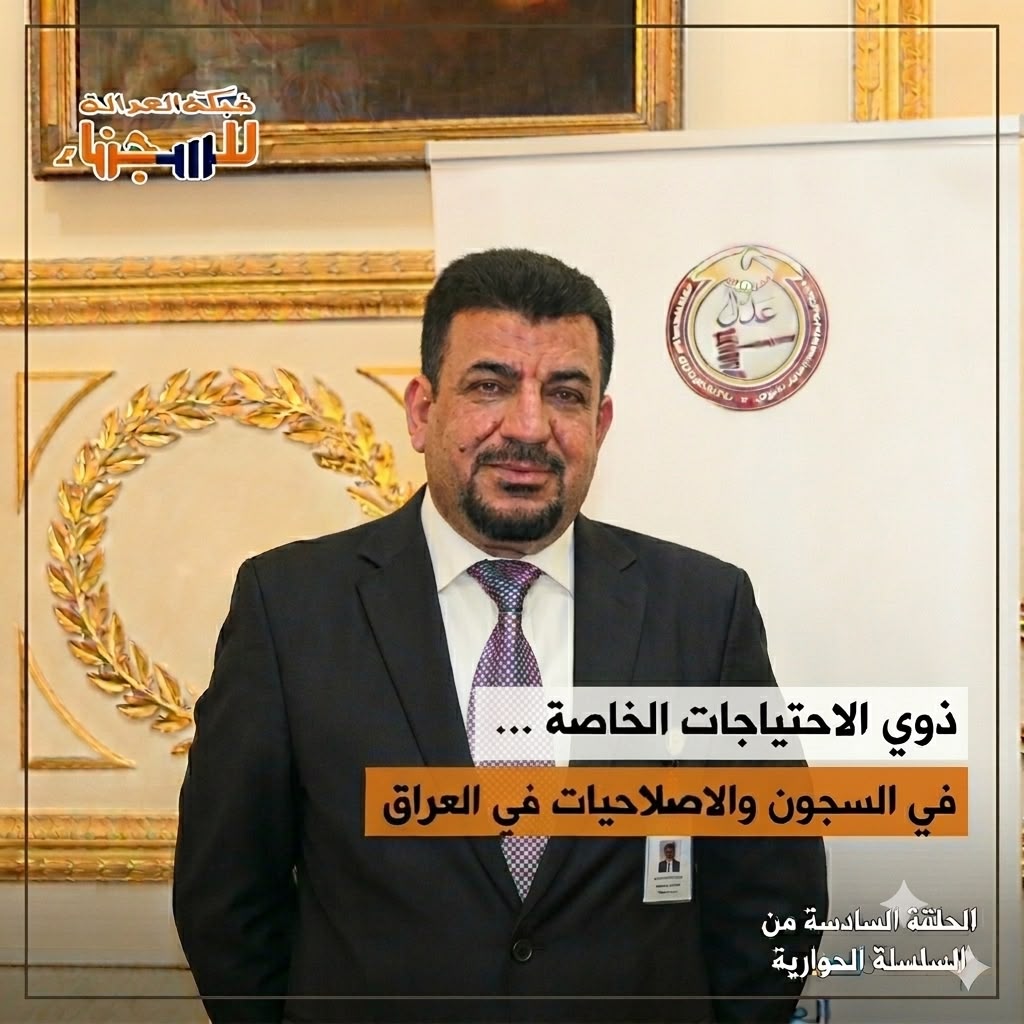
Interview with Mr. Kadhim Al-Baydani, Vice Chairman of the Board of Directors of the Prisoners’ Justice Network
Date: 22 June 2026
Introduction
As part of the ongoing efforts of the Justice Network for Prisoners’to shed light on the conditions of detainees and to promote respect for human rights within correctional institutions, the Media Department is launching a series of specialized interviews with experts and activists in the fields of criminal justice and human rights.
In this context, the Media Department conducted an interview with Mr. Kadhim Al-Baydani, Vice Chairman of the Network’s Board of Directors and Director of the Al-Munqidh Organization, to discuss the reality of persons with disabilities inside prisons and correctional facilities in Iraq. The interview reviews the most prominent challenges they face, along with a set of practical proposals aimed at improving their conditions and ensuring their rights.
The term “persons with disabilities” refers to individuals who experience physical, sensory (such as visual or hearing impairments), intellectual, psychological, or multiple disabilities that affect their ability to carry out daily life activities and participate fully in society. These disabilities include, but are not limited to: mobility impairments, visual impairments, hearing impairments, intellectual/developmental disabilities, psychological disabilities, and multiple disabilities.
At the international level, this group is protected by a comprehensive legal framework that guarantees their rights, including the Convention on the Rights of Persons with Disabilities, the International Covenant on Civil and Political Rights, the Convention against Torture, as well as international standards and rules for the treatment of prisoners. At the national level, the Iraqi Constitution affirms the principles of equality and human dignity. Furthermore, the Law on the Rights of Persons with Disabilities No. (38) of 2013 provides for a number of rights, alongside laws regulating prisons and correctional facilities, although challenges remain regarding the actual implementation of these legislations.
The importance of focusing on the situation of persons with disabilities inside prisons and correctional facilities arises from the special reasonable accommodations, appropriate health care, and additional protection from any form of neglect or ill-treatment that this group requires. Ignoring these needs may lead to serious violations of their fundamental rights. Hence, this interview seeks to benefit from the field expertise of Mr. Kadhim Al-Baydani in documenting violations and presenting practical, actionable recommendations that contribute to improving the situation of this group within detention facilities.
Here are the questions we asked him:
Q: Are there persons with disabilities in prisons and correctional facilities?
A: Yes, there are persons with disabilities in correctional departments as well as in prisons. However, there are no precise statistics regarding the number of persons with special needs in all prisons and correctional facilities across Iraq. The prevailing observation is that they are held alongside other detainees who do not have disabilities. This is a negative indicator for correctional institutions, as this group faces different circumstances and therefore has different needs. Their use of equipment and facilities also differs from that of non-disabled detainees.
Q: Do prison facilities have the capacity to provide suitable environments for them?
A: In reality, there are no special places designated for persons with disabilities in prisons and correctional facilities in Iraq. The spaces allocated for persons with disabilities are the same as those where other detainees and inmates are housed. The aim is to enable them to access the services provided to other detainees and assist them in carrying out their daily needs.
Equality among prisoners does not mean ignoring differences and special needs. A prisoner with disabilities requires a detention environment that takes into account their health and humanitarian condition in order to preserve their dignity and safety. This principle generally aligns with international standards for the treatment of prisoners, which emphasize the necessity of providing special arrangements and accommodations for persons with disabilities within correctional institutions.
Q: What are the most common types of disabilities among this group?
A: The majority of disabilities observed are physical disabilities, such as impairments of the lower or upper limbs, partial or complete paralysis, and some cases of visual impairment.
Q: How do prison administrations address their needs?
A: The administrations address their needs to the best of their ability, giving priority in access to medication, food, and the provision of assistive devices and mobility aids, such as wheelchairs, walking sticks, or crutches. However, all of this is driven by the administration’s conviction of the need to provide additional services to this group of detainees and inmates. We see efforts and personal initiatives rather than established rights enshrined in laws, regulations, and official instructions.
Housing prisoners with special needs alongside other prisoners without taking into account their health or physical needs may constitute a breach of the principles of humanitarian justice and human rights. This group requires appropriate detention conditions that ensure their safety and dignity and enable them to access care and accommodations that suit their specific circumstances.
Q: What are the most prominent problems they face?
A: In my estimation, the most prominent problems faced by persons with special needs inside prisons are:
-
Inadequate infrastructure:
-
Difficulty moving through corridors or cells.
-
Lack of ramps or accessible sanitary facilities.
-
Difficulty accessing food areas or health care services.
-
-
Lack of specialized health care:
-
Need for more frequent medical check-ups compared to others.
-
Unavailability of assistive devices or lack of maintenance.
-
Delays in receiving necessary treatment or rehabilitation.
-
-
Social and psychological isolation:
-
Feeling different from other prisoners.
-
Increased likelihood of depression, anxiety, and frustration.
-
Loss of self-confidence and feelings of helplessness.
-
-
Communication difficulties:
-
Particularly for those with hearing or speech impairments.
-
Difficulty communicating their needs or complaints to the administration.
-
Limited access to educational or counseling programs.
-
-
Inadvertent exclusion from activities and programs:
-
Some educational or vocational activities are not adapted for them.
-
They may be effectively excluded from rehabilitation and reform programs despite their need for them.
-
-
Difficulty adapting to daily prison procedures:
-
Searches, movement, queues, and service schedules may be more burdensome for them than for others.
-
-
Lack of precise classification of needs:
-
Sometimes all disabilities are treated the same way despite their significant differences.
-
The needs of a blind prisoner differ from those of a deaf prisoner, a wheelchair user, or a person with an intellectual disability.
-
The most important problem, in my view, is the cumulative impact of these challenges, which together deprive this group of their basic rights and undermine their chances for reform and reintegration.
Q: What are your proposals?
A:
Proposals to Improve the Conditions of Detainees with Disabilities in Iraqi Correctional Institutions:
-
The rights of persons with special needs must be incorporated through clear and detailed provisions in laws, especially the Law on Reform of Detainees and Inmates No. (14) of 2018.
-
Allocate annual budgets for assistive devices and prosthetics to ensure the provision of wheelchairs, crutches, artificial limbs, and their periodic maintenance and replacement when damaged or worn out.
-
Develop the infrastructure within correctional institutions by providing ramps, appropriate corridors, and sanitary facilities suitable for use by persons with disabilities.
-
Train correctional and medical staff on how to deal with persons with disabilities from a human rights and human dignity perspective.
-
Expand partnerships with national and international organizations to benefit from technical expertise and specialized support in the field of rehabilitation and the provision of assistive devices.
-
Conduct regular health and functional assessments for detainees with disabilities to ensure early response to any emerging needs.
-
Strengthen monitoring and follow-up mechanisms to ensure that detainees with disabilities enjoy their rights without discrimination, and address complaints related to services provided to them promptly and effectively.
-
Prepare a unified national guide that regulates procedures for dealing with persons with disabilities within correctional institutions in accordance with national legislation and relevant international standards.
-
Integrate the needs of persons with disabilities into all plans and policies for the management of correctional institutions, in line with the principle of reasonable accommodation and non-discrimination as provided for in the Convention on the Rights of Persons with Disabilities.
القسم الإعلامي لشبكة العدالة للسجناء
حوار مع السيد كاظم البيضاني، نائب رئيس مجلس إدارة شبكة العدالة للسجناء
التاريخ: 22 حزيران 2026
مقدمة
في إطار جهود شبكة العدالة للسجناء المستمرة لتسليط الضوء على أوضاع النزلاء وتعزيز احترام حقوق الإنسان داخل المؤسسات الإصلاحية، يطلق القسم الإعلامي سلسلة من الحوارات المتخصصة مع خبراء وناشطين في مجال العدالة الجنائية وحقوق الإنسان.
وفي هذا السياق، أجرى القسم الإعلامي حواراً مع السيد كاظم البيضاني، نائب رئيس مجلس إدارة الشبكة، لمناقشة واقع الأشخاص ذوي الإعاقة داخل السجون والإصلاحيات في العراق، واستعراض أبرز التحديات التي يواجهونها، إلى جانب طرح مجموعة من المقترحات العملية الرامية إلى تحسين أوضاعهم وضمان حقوقهم.
ويقصد بمصطلح “الأشخاص ذوي الإعاقة” الأفراد الذين يعانون من إعاقات جسدية أو حسية (مثل فقدان البصر أو السمع)، أو إعاقات ذهنية أو نفسية، أو إعاقات متعددة، بما يؤثر على قدرتهم في ممارسة حياتهم اليومية والمشاركة الكاملة في المجتمع. وتشمل هذه الإعاقات فئات متعددة، من أبرزها: الإعاقات الحركية، والبصرية، والسمعية، والذهنية/النمائية، والنفسية، إضافة إلى الإعاقات المركبة.
وعلى الصعيد الدولي، تحظى هذه الفئة بإطار قانوني متكامل يكفل حقوقها، من خلال عدد من الاتفاقيات والمعايير الدولية، من أبرزها اتفاقية حقوق الأشخاص ذوي الإعاقة، والعهد الدولي الخاص بالحقوق المدنية والسياسية، واتفاقية مناهضة التعذيب، فضلاً عن القواعد والمعايير الدولية الخاصة بمعاملة السجناء. أما على المستوى الوطني، فقد أكد الدستور العراقي على مبادئ المساواة والكرامة الإنسانية، كما نص قانون حقوق الأشخاص ذوي الإعاقة رقم (38) لسنة 2013 على جملة من الحقوق، إلى جانب القوانين المنظمة لعمل السجون والإصلاحيات، رغم وجود تحديات تتعلق بمدى التطبيق الفعلي لهذه التشريعات.
وتبرز أهمية التركيز على أوضاع الأشخاص ذوي الإعاقة داخل السجون والإصلاحيات نظراً لما تتطلبه هذه الفئة من ترتيبات تيسيرية خاصة، ورعاية صحية ملائمة، وحماية إضافية من أي شكل من أشكال الإهمال أو سوء المعاملة. إذ إن تجاهل هذه الاحتياجات قد يؤدي إلى انتهاكات جسيمة لحقوقهم الأساسية. ومن هنا، يأتي هذا الحوار للاستفادة من الخبرة الميدانية للسيد كاظم البيضاني نائب رئیس مجلس اداره شبكه العداله للسجناء ومدیر منظمة المنقذ في توثيق الانتهاكات وتقديم توصيات عملية قابلة للتطبيق تسهم في تحسين واقع هذه الفئة داخل مؤسسات الاحتجاز.
وهنا سألناه عن ؟
س: هل توجد أشخاص من ذوي الاحتياجات في السجون والإصلاحيات؟
ج// نعم يوجد اشخاص من ذوي الإعاقة في الأقسام الإصلاحية وكذلك في السجون ولاتوجد احصائيات دقيقة عن عدد اذوي الاحتاجات الخاصه في كل سجون واصلاحيات العراق لكن السمة الغالبة على انهم موجودين جنبا الى جنب مع بقية النزلاء الذين لايعانون من الاعاقه وهذا مؤشر سلبي على المؤسسات الاصلاحية كون هذه الشريحة تعاني من وضع مختلف وبالتالي احتياجاتها مختلفه واستخدامها لكل المعدات والاشياء ايضا مختلف عن النزلاء الاسوياء
س: هل المواقع السجنية لديها إمكانية توفير المكان الملائم لهم؟
ج// في الحقيقة لا توجد اماكن خاصة بذوي الاحتياجات في السجون و الاصلاحيات في العراق ، /الاماكن الخاصه بذوي الإعاقة هي نفس الاماكن التي يودع فيها باقي النزلاء و المودعين . لتمكينهم من الخدمة المقدمة من باقي النزلاء ومساعدته على القيام باحتياجاته اليوميه
و المساواة بين السجناء لا تعني تجاهل الفروق والاحتياجات الخاصة؛ فالسجين من ذوي الاحتياجات الخاصة يحتاج إلى بيئة احتجاز تراعي وضعه الصحي والإنساني حفاظاً على كرامته وسلامته.”
وهذا المبدأ يتوافق عموماً مع المعايير الدولية لمعاملة السجناء، التي تؤكد ضرورة توفير ترتيبات وتسهيلات خاصة للأشخاص ذوي الإعاقة داخل المؤسسات الإصلاحية
س: ما هي أكثر الحالات (العوق) لدى هؤلاء؟
ج// اغلب حالات العوق الموجوده هي العوق البدني مثل ( الأطراف السفلى او العليا او الشلل النصف والكلي وبعض الحالات ,لفقد البصر
س: كيف تتعامل الإدارات مع احتياجاتهم؟
ج// تتعامل الدائرة مع احتياجاتهم قدر الإمكانية والأولوية بالحصول على الدواء والغذاء وتوفير المعينات والأجهزة التعويضية التي تساعدهم على الحركة كراسي متحركة او عصى المشي العكاز و كلها عن طريق قناعة الادارة السجنية بضرورة تقديم خدمات اضافية لهؤلاء الفئة من النزلاء و المودعين و نرى فيها جهود و محاولات شخصية اكثر مما تكون حقوق ثابتة في القوانين و الانظمة و التعليمات .
“إن إيداع السجناء من ذوي الاحتياجات الخاصة مع السجناء الآخرين دون مراعاة احتياجاتهم الصحية أو الجسدية قد يشكل إخلالاً بمبادئ العدالة الإنسانية وحقوق الإنسان، إذ تستوجب هذه الفئة توفير ظروف احتجاز ملائمة تضمن سلامتهم وكرامتهم وتمكنهم من الحصول على الرعاية والتسهيلات التي تتناسب مع أوضاعهم الخاصة
س: ما هي أبرز مشاكلهم؟
ج// في تقديري، فإن أبرز المشكلات التي يواجهها ذوو الاحتياجات الخاصة داخل السجون هي
1-عدم ملاءمة البنية التحتية:
صعوبة الحركة داخل الممرات أو الزنزانات
عدم وجود منحدرات أو مرافق صحية مجهزة
صعوبة الوصول إلى أماكن الطعام أو الرعاية الصحية
2-نقص الرعاية الصحية المتخصصة:
الحاجة إلى مراجعات طبية أكثر من غيرهم
عدم توافر الأجهزة التعويضية أو صيانتها
تأخر الحصول على العلاج أو التأهيل اللازم
3-العزلة الاجتماعية والنفسية:
الشعور بالاختلاف عن بقية السجناء
زيادة احتمالات الاكتئاب والقلق والإحباط
فقدان الثقة بالنفس والشعور بالعجز
4-صعوبات التواصل:
خصوصاً لدى ذوي الإعاقات السمعية أو النطقية
صعوبة إيصال احتياجاتهم أو شكاواهم للإدارة
محدودية التواصل مع البرامج التعليمية أو الإرشادية
5-الحرمان غير المقصود من الأنشطة والبرامج:
بعض الأنشطة التعليمية أو المهنية لا تكون مهيأة لهم
قد يستبعدون عملياً من برامج الإصلاح والتأهيل رغم حاجتهم إليها
6-صعوبة التكيف مع إجراءات السجن اليومية:
التفتيش والتنقل والطوابير ومواعيد الخدمات قد تكون أكثر مشقة عليهم من غيرهم
7-عدم وجود تصنيف دقيق للاحتياجات
أحياناً تُعامل جميع الإعاقات بالطريقة نفسها رغم اختلافها الكبير
فاحتياجات السجين الكفيف تختلف عن احتياجات السجين الأصم أو من يستخدم الكرسي المتحرك أو من لديه إعاقة ذهنية
المشكلة الأهم من وجهة نظري
س: ما هي اقتراحاتك؟
ج///
مقترحات لتحسين أوضاع النزلاء من ذوي الإعاقة في المؤسسات الإصلاحية العراقية
1- يجب ادراج حقوق ذوي الاحتياجات الخاصة بمواد واضحة و مفصلة في القوانين و خاصة قانون اصلاح النزلاء و المودعين رقم 14 لسنة 2018 .
2- تخصيص موازنات سنوية للمعينات والأجهزة التعويضية لضمان توفير الكراسي المتحركة والعكازات والأطراف الصناعية وصيانتها واستبدالها بصورة دورية عند التلف أو الاستهلاك
3- تطوير البنية التحتية داخل المؤسسات الإصلاحية من خلال توفير المنحدرات والممرات المناسبة والمرافق الصحية الملائمة لاستخدام الأشخاص ذوي الإعاقة
4- تدريب الملاكات الإصلاحية والطبية على كيفية التعامل مع الأشخاص ذوي الإعاقة وفق منظور حقوق الإنسان واحترام الكرامة الإنسانية
5- توسيع الشراكات مع المنظمات الوطنية والدولية للاستفادة من الخبرات الفنية والدعم المتخصص في مجال التأهيل وتوفير الأجهزة التعويضية
6- إجراء فحوصات وتقييمات دورية للحالة الصحية والوظيفية للنزلاء من ذوي الإعاقة لضمان الاستجابة المبكرة لأي احتياجات جديدة
7- تعزيز آليات الرصد والمتابعة للتأكد من تمتع النزلاء من ذوي الإعاقة بحقوقهم دون تمييز، ومعالجة الشكاوى المتعلقة بالخدمات المقدمة لهم بصورة سريعة وفعالة
8- إعداد دليل وطني موحد ينظم إجراءات التعامل مع الأشخاص ذوي الإعاقة داخل المؤسسات الإصلاحية وفق التشريعات الوطنية والمعايير الدولية ذات الصلة ينظم إجراءات التعامل مع الأشخاص ذوي الإعاقة داخل المؤسسات الإصلاحية وفق التشريعات الوطنية والمعايير الدولية ذات الصلة
9- إدماج احتياجات الأشخاص ذوي الإعاقة في جميع خطط وسياسات إدارة المؤسسات الإصلاحية وفق مبدأ الترتيبات التيسيرية المعقولة وعدم التمييز المنصوص عليهما في اتفاقية حقوق الأشخاص ذوي الإعاقة.
 English
  Arabic