
Phone: 0751-402-9131
Email: info@jnpiraq.info
Address: Iraq-Erbil



English /Arabic
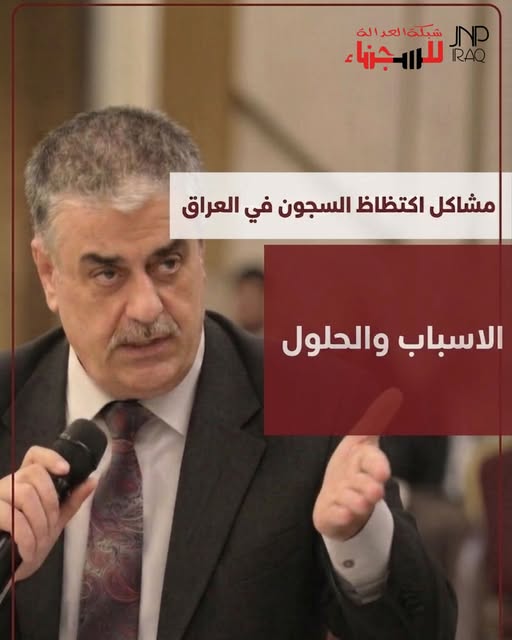
Second episode of the dialogue series with the legal investigator and Chairman of the Board of the Justice Network for Prisoners’ Shwan Saber
Question:
International and national reports show chronic problems in prisons and Reformatories in Iraq and the Kurdistan Region of Iraq. Overcrowding is one of the most prominent issues. In your opinion, what are the real causes of this problem and the other problems that have remained without a radical solution?
Answer:
In a previous meeting, we pointed out the bodies that carry out oversight work in prisons and Reformatories in Iraq. We mentioned these bodies, including the Public Prosecution Office, the Inspector General’s Office, the oversight committees of the Iraqi Council of Representatives and the Kurdistan Parliament, as well as the High Commission for Human Rights and the Independent Human Rights Commission, in addition to the internal oversight of the authorities responsible for managing prisons and correctional facilities. We also noted other bodies whose work complements those mentioned, as well as Iraqi civil society — organizations, networks, civil coalitions, the media, and international bodies such as UN agencies and international non-governmental organizations. Finally, we referred to the Human Rights Council, which reviews human rights situations in member states every five years (currently); previously it was every four years. All these bodies conduct visits, follow-ups, and issue reports according to their legal mechanisms. Their reports all agree that human rights conditions in prisons, Reformatories, detention centers, and deportation centers are not satisfactory, not at the required level, and need great effort to improve and prepare a suitable environment so that prisons become institutions for reform, rehabilitation, and correction — not punitive or vengeful institutions. The issues commonly mentioned in the reports of these bodies and institutions relate to infrastructure, applicable laws, staff, services, and reform programs in general.
Infrastructure is likely the cause of many problems that have remained without radical treatment — buildings, essential daily necessities, hospitals, sports fields, green spaces, meeting places, family visits (private lawful conjugal visits), libraries, and even workplaces for staff of various responsibilities and job titles.
The lack of buildings that accommodate the large number of detainees and convicts — leading to a huge discrepancy between capacity and actual population — is the most prominent feature in many prison sites. Our visiting teams have recorded more than ten times the capacity in several prison sites. So you can imagine the problem of having (100 people instead of 10) or (1,000 people instead of 100), while financial, human, and service resources are allocated for the capacity, not for the actual number. In other words, if a facility is originally designed for 100 people, the staff, security, health services, and supplies are for 100 people, not for the actual number that may reach 1,000 or more.
This problem — the large gap between actual numbers and capacity — affects sleeping space, health, food, exercise, disease spread, education, family visits, security, the work of social researchers, the work of psychological researchers, scheduling court hearings, implementing reform programs — especially the classification of detainees and convicts — and many other things.
We, as the Prisoners’ Justice Network, have been conducting visits since 2007. Our organization used to issue separate reports until we combined them into a single annual report starting in early 2010. Not a single annual report has passed without mentioning the infrastructure problem and the noticeable discrepancy between actual numbers and capacity. And we are not alone — the reports of the bodies mentioned earlier also point to this problem. The recommendations of the Human Rights Council in 2010, 2014, 2019, and 2025 have all mentioned the existence of overcrowding problems and the inability of prison sites to provide the necessary space per prisoner, estimated at (2m x 2m). The problem has remained as it is to this day.
This is not because the government has failed to respond to solving the overcrowding problem, but because the government is unable to keep pace with Iraq’s massive population growth, Iraq’s opening to foreigners (millions of whom are now in Iraq), the influx of citizens from neighboring countries — especially Syria — as well as foreign companies and foreign labor, and many other factors.
How to solve the overcrowding problem?
-
Build prisons that match a population of nearly 46 million citizens, taking into account foreigners present for various reasons (work, refugees, companies, residents, etc.).
-
Avoid arrest whenever possible until the competent court decides the outcome of the case.
-
Resort to fines whenever possible instead of imprisonment.
-
Deport convicted foreigners to their countries whenever possible.
-
Resort to alternative penalties such as community service instead of imprisoning convicts and adding their expenses to the public budget.
-
Establish the position of a sentencing enforcement judge.
-
Consider drug addicts as patients, not criminals, throughout Iraq.
-
Find other solutions for certain offenses instead of arrest and imprisonment — such as begging, prostitution, and some minor crimes that do not threaten public security.
We will meet you in a new episode of this dialogue series…
مشاكل اكتظاظ السجون في العراق …. الاسباب والحلول
الحلقة الثانية من السلسلة الحوارية مع المحقق القانوني ورئيس مجاس ادارة شبكة العدالة للسجناء شوان صابر
السؤال:
التقارير الدولية و الوطنية تظهر وجود مشاكل مزمنة في السجون و الاصلاحيات في العراق و اقليم كوردستان العراق ، و لعل الاكتظاظ من ابرز المشاكل ، برأيكم ماهي الاسباب الحقيقية لهذه المشكلة و المشاكل الاخرى التي بقت دون حل جذري ؟
الإجابة:
نحن أشرنا في لقاء سابق الى الجهات التي تمارس اعمالها الرقابية في السجون و الاصلاحيات في العراق و أشرنا الى تلك الجهات و منها جهاز الادعاء العام و دائرة المفتش العام و اللجان الرقابية لكل من مجلس النواب العراقي و برلمان كوردستان و ايضا الى المفوضية العليا لحقوق الانسان و الهيئة المستقلة لحقوق الانسان بالاضافة الى الرقابة الداخلية للجهات المعنية بأدارة السجون و الاصلاحيات و اشرنا الى وجود جهات اخرى اعمالها مكملة لتلك التي ذكرت و المجتمع المدني العراقي ، من منظمات و شبكات و تحالفات مدنية و ايضا الاعلام و جهات دولية و مثالها الوكالات التابعة للامم المتحدة و المنظمات الدولية غير الحكومية ، و اخيرا تمت الاشارة الى مجلس حقوق الانسان الذي يستعرض فيه اوضاع حقوق الانسان في الدول الاعضاء كل خمس سنوات ( حاليا ) ففي السابق كان كل اربع سنوات ، هذه الجهات التي ذكرت لديها زياراتها و متابعاتها و تقاريرها بحسب الالية التي تعمل بها بحسب قانونها ، و تقريرها جيمعها متفقة على ان اوضاع حقوق الانسان في السجون و الاصلاحيات و مراكز الاحتجاز و التسفيرات ليست على يرام و ليست بالمستوى المطلوب و بحاجة الى بذل الكثير من الجهود لتحسينها و تهيئة الارضية المناسبة لكي تكون السجون مؤسسات للأصلاح و التأهيل و التقويم و ليست مؤسسات عقابية و انتقامية، و هذه الامور التي تشترك في ذكرها تقارير تلك الجهات و المؤسسات تخص البني التحية ، القوانين السارية ، الموظفين ، و الخدمات ، و البرامج الاصلاحية بصورة عامة .
و لعل البني التحتية هي السبب للكثير من المشاكل التي بقيت دون معالجة جذرية و هي الابنية و المستلزمات الضرورية للحياة اليومية و المستشفيات و ساحات الرياضة و المساحات الخضراء و مكان اللقاء و الزيارات و اللقاء العائلي ( الخلوة الشرعية ) و المكتبات و حتى اماكن دوام الموظفين بإختلاف مسئولياتهم و عناوين وظائفهم .
ان عدم وجود بنايات تستوعب العدد الكبير من الموقوفين و المحكومين الذي يؤدي الى وجود تباين كبير بين القدرة الاستيعابية و الموجود الفعلي هي السمة الابزر في الكثير من المواقع السجنية ، حيث سجلت فرقنا الزائرة وجود اكثر من عشرة اضعاف القدرة الاستيعابية لعدة مواقع سجنية ، فيمكنك تصور مشكلة وجود ( مائة شخص بدلا من عشرة اشخاص ) او ( الف شخص مكان مائة شخص ) في حين ان القدرات المالية و البشرية و الخدمات هي للقدرة الاستيعابية و ليست للموجود الفعلي ، بمعنى لو كان الموقع مخصصآ اساسآ لمائة شخص ، الموظفين و الامن و الخدمات الصحية و التجهيزات تكون لمائة شخص و ليس للعدد الفعلي الذي قد يصل الى الف شخص او أكثر .
هذه المشكلة ، اي وجود هذا الفرق الكبير بين الموجود الفعلي و القدرة الاستيعابية يؤثر على ، مكان النوم ، الصحة ، الاكل ، الرياضة ، تفشي الامراض ، الدراسة ، اللقاء العائلي ، الامن ، عمل الباحثين الاجتماعيين ، عمل الباحثين النفسيين ، تنظيم مواعيد المحاكمات ، تطبيق البرامج الاصلاحية و في مقدمتها التصنيف الفئوي للموقوفين و المحكومين و امور اخرى كثيرة .
نحن كشبكة العدالة للسجناء منذ ( 2007 ) نقوم بالزيارات و منظمانتا كانت تصدر التقارير المنفردة الى ان وحدنا تقاريرنا في تقرير سبوي واحد منذ بدايات 2010 ، لم يمر تقرير سنوي واحد دون ذكر مشكلة البنى التحيتة و تباين ملحوظ بين الموجود الفعلي و القدرة الاستيعابية و لسنا نحن فقط حيث شاركنا في الاشارة الى هذه المشكلة تقارير الجهات التي ذكرناها سابقا ، و لم تخلو توصيات مجلس حقوق الانسان في الاعوام 2010 و 2014 و 2019 و 2025 من الاشارة الى وجود مشاكل الاكتظاظ و عدم قدرة المواقع السجنية من تأمين المساحات اللازمة لكل سجين و المقدرة بـ ( 2 م * 2 م ) ، لكل المشكلة بقيت على حالها لغاية اليوم .
ليس بسبب عدم استجابة الحكومة لحل مشكلة الاكتظاظ بل بسبب عدم قدرة الحكومة على مجارات النمو السكاني الهائل في العراق ، و انفتاح العراق للأجانب الذي اصبح الملايين منهم في العراق و بسبب لجوء مواطني الدول الجوار الى العراق و خاصة من سورية و ايضا الشركات الاجنية و العمالة الاجنبية و الكثير من هذه الامور .
كيف نحل مشكلة الاكتظاظ ؟
1- بناء سجون تتناسب مع عدد السكان الذي وصل الى قرابة ( 46 ) مليون مواطن مع مراعاة الاجانب الموجودين بإختلاف اسباب تواجدهم ( للعمل ، لاجئين ، شركات ، مقيمين … الخ ) .
2- عدم اللجوء الى التوقيف كل ما كان ممكنا الى ان تقرير المحكمة المتخصة مصير الدعوى .
3- اللجوء الى الغرامات كل ما كان ممكنا بدلا من الحبس .
4- ترحيل الاجانب المحكومين الى بلدانهم كل ما ممكنا .
5- اللجوء الى العقوبات البديلة للنفع العام بدلا من ايداع المحكومين في السجون و زيادة مصاريفهم الى النفقات العامة.
6- استحداث منصب قاضي تنفيذ العقوبات .
7- اعتبار المدمن على المخدرات مريضا و ليس مجرما في عموم العراق .
8- ايجاد حلول اخرى لبعض الجرائم بدلا من التوقيف و الحبس و هي التسول و البغاء و بعض الجرائم البسيطة التي لا تهدد الامن العام .
نلتقيكم في حلقة جديدة لهذه السلسلة الحوارية….
تابعونا
 English
  Arabic